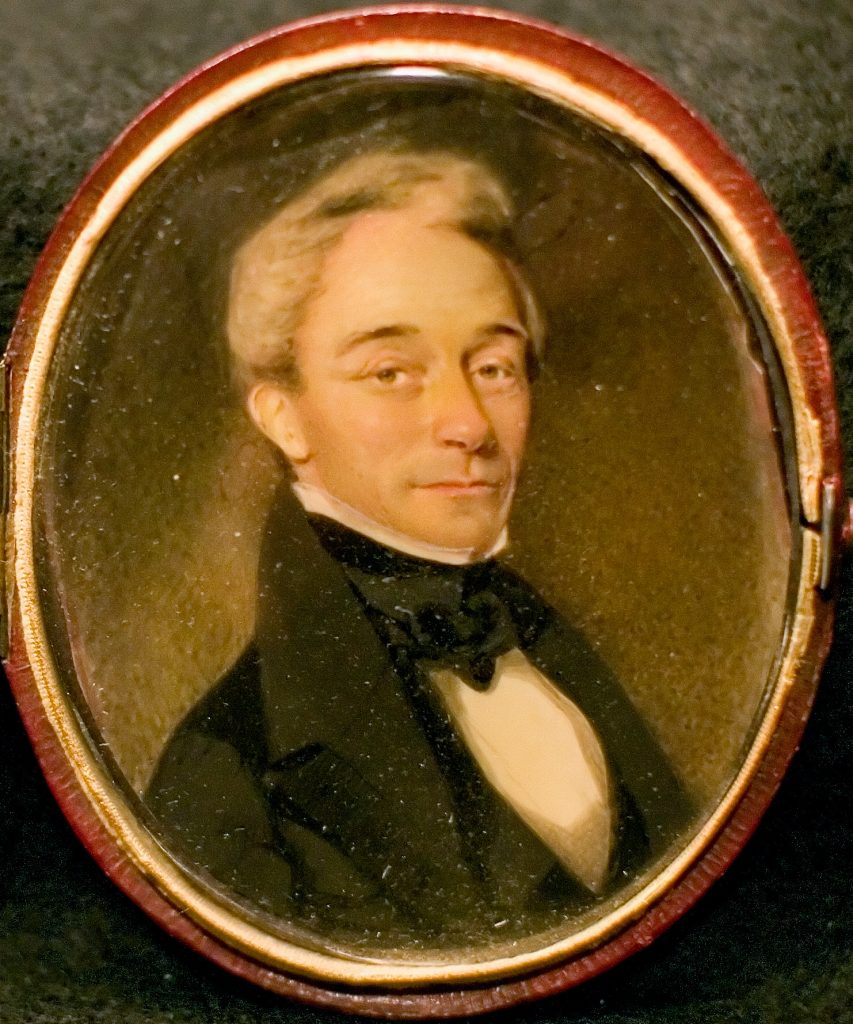
Born in Camden, South Carolina on the fourth of July 1787, Chapman Levy was the son of Sarah Moses and Samuel Levy and younger brother to Eliza Levy. He was to pursue a career in law and was admitted to the bar in 1806. He served in a militia during the War of 1812, from which he took the honorific colonel, which would adorn his name throughout his considerable career.
Based out of Kershaw County, Levy developed into a lawyer well known throughout the state. His highest profile case was his prosecution of William Taylor, brother of Governor John Taylor, on a murder charge. A sensational trial in which Taylor stood accused of murdering the man with whom his wife was allegedly carrying on an affair, Levy eventually lost, however it made him something of a South Carolina celebrity.
Levy served as a state legislator and senator from Kershaw Country. He also ran a brickyard near the Columbia Canal at which more than thirty slaves worked, making him the largest Jewish slaveholder of his time. He was also involved in numerous financial enterprises, dealing in credit and banking.
Among his other accomplishments, Levy climbed the ranks of freemasonry. He was also considered the leading expert on the etiquette and rules of dueling. According to one contemporary observer, Levy was consulted “in every duel…fought in the upper part of South Carolina.”
Levy walked the line between maintaining his faith and converting, incorporating the Camden Protestant Episcopal Church in 1808 while helping found the Jewish burial society in 1822. His wife, Flora, whodied young, only five years after they were married, was given aJewish burial.
In the late 1820s, Levy returned to Camden, the city of his birth, and there formed a law partnership with William McWillie. The duo moved to Mississippi in 1838 and there found considerable success. Levy was nominated for governor but turned it down; years later McWillie would run and win. Levy would eventually be buried on McWillie’s plantation in Kirkwood, Mississippi.